Report Adverse Event or Product Quality Complaint   US Site   Global Site             

Header Logo
  • Prescribing Information
  • Therapy areas
    • All Therapeutic Areas
    • Cardiovascular, Renal and Metabolism
    • Immunology
    • Infection
    • Oncology
    • Rare Disease (Alexion)
    • Respiratory
  • Disease Education
  • Resources
    • Congress Library
    • Clinical Trials
    • Continuing Education
    • Patient Support
    • Pipeline
  • Connect
    • Connect with an MSL
    • Connect with an MSL
    • Submit an MIR
    • Give Feedback

Search Medical Information

Login

Request a field medical follow-up

  • Home
  • Disease Education
  • Transthyretin-mediated Amyloidosis (ATTR)

Transthyretin-mediated Amyloidosis (ATTR)

Improving outcomes in patients with hATTR occurs through: Increased Awareness  → Faster Diagnosis → Earlier Intervention

  1. Understanding ATTR
  2. Confronting hATTR
  3. Suspecting hATTR
  4. Diagnosing hATTR
  5. Scientific Resources
  6. Connect With Us

Understanding ATTR

ATTR is a progressive, severe, systemic disease with diverse clinical manifestations.1-5


View this video to learn more about the pathophysiology and presentation of ATTR.

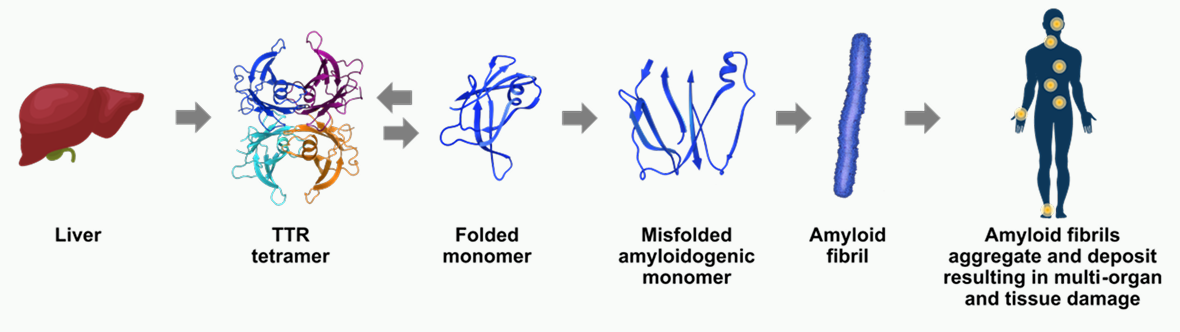
ATTR is a disease caused by the systemic deposition of amyloid fibrils

In ATTR, weakened interactions between the monomer subunits of the TTR tetramer result in its dissociation and misfolding of the TTR protein, leading to the formation of amyloid fibrils.6-11

Note: Figure adapted from Carroll A, et al. J Neurol Neurosurg Psychiatry. 2022;93(6):668-678 and Ruberg FL, et al. J Am Coll Cardiol. 2019;73(22):2872-2891.

Learn More About ATTR

Differentiating Between Hereditary and Wild-type ATTR

ATTR can be either hereditary or wild-type.1 Both types of ATTR amyloidosis are progressive and associated with significant morbidity and mortality.1,14


The tetrameric structure of TTR is disrupted due to destabilization, resulting in weaker interactions between monomer subunits:

Hereditary ATTR

Destabilization occurs due to a TTR gene variant.7-11

Wild-type ATTR

Destabilization occurs due to age.7-11

Hereditary ATTR

Hereditary ATTR

There is a 50% chance of the TTR gene variant being transmitted from affected individuals to their children15-17

  • The penetrance of the gene varies between variants, regions of the world, and among families.17,18
  • Because penetrance is incomplete, some carriers will develop symptoms, but others may remain asymptomatic throughout their lifetime17,18

  • Symptoms can vary considerably, even among individuals with the same TTR gene variant8,16
  • Factors that influence the phenotypic expression of a given TTR gene variant remain unknown19

The majority of patients with hereditary ATTR have a mixed phenotype with multisystem involvement.20

There is considerable heterogeneity in disease phenotype across hereditary ATTR, where phenotypes can be predominantly neuropathic or cardiac, or mixed based on genotype.21,22,a

aThe numbering of TTR gene variants aligns with the updated recommendations of the ISA Nomenclature Committee, which specify numbering based on the mature protein (ie, without leader sequence or propeptides).23

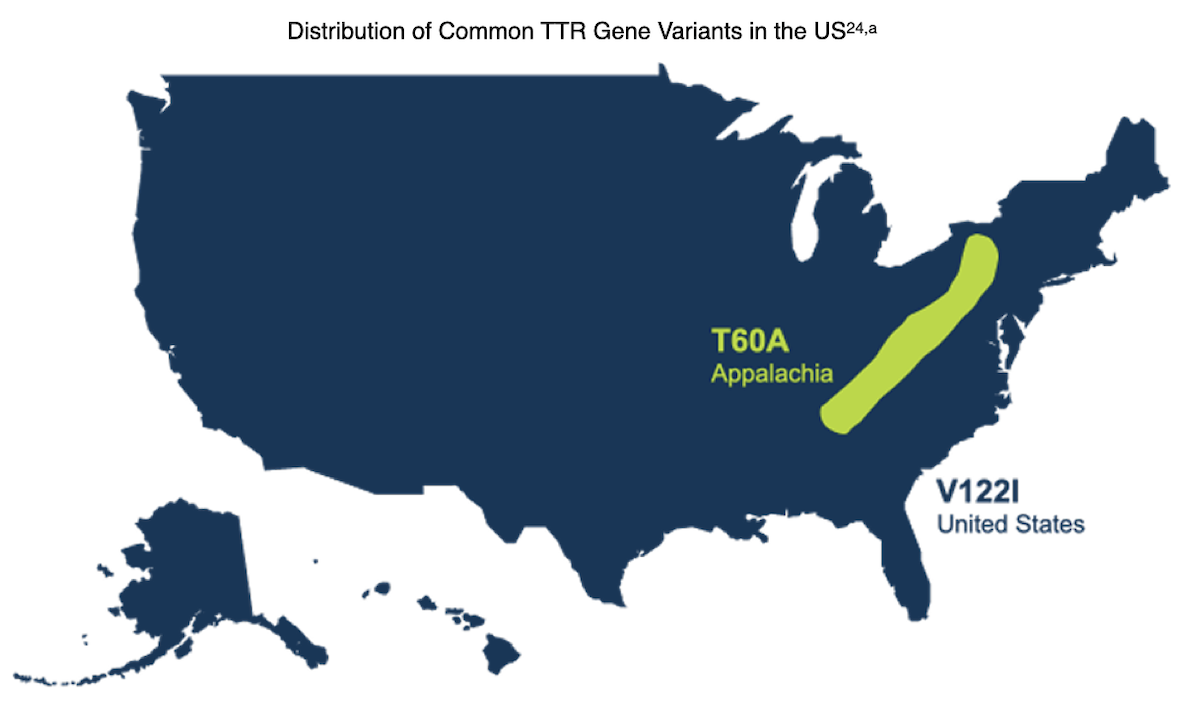
Common TTR Gene Variants

In the US, 47 different TTR gene variants have been reported, with the most common being V122I, T60A, and V30M.16

  • V122I: 45%
  • T60A: 20%
  • V30M: 6%
Common TTR Gene Variants

aThe distribution of the V30M TTR gene variant in the US was not reported by Obi et al (2022).

ATTR: transthyretin-mediated amyloidosish


ATTR: hereditary transthyretin-mediated amyloidosis


ISA: International Society of Amyloidosis


TTR: transthyretin


US: United States

1. Coelho T, Ericzon B-G, Falk R, et al. A guide to transthyretin amyloidosis. Amyloidosis Foundation; 2018. https://amyloidosis.org/sites/default/files/pdf-docs/pages/resources/2023-03/2018%20ATTR.pdf


2. Kapoor M, Rossor AM, Laura M, et al. Clinical presentation, diagnosis and treatment of TTR amyloidosis. J Neuromuscul Dis. 2019;6(2):189-199. https://doi.org/10.3233/JND-180371


3. Gertz MA. Hereditary ATTR amyloidosis: burden of illness and diagnostic challenges. Am J Manag Care. 2017;23(7)(suppl):S107-S112.


4. Conceição I, González-Duarte A, Obici L, et al. “Red-flag” symptom clusters in transthyretin familial amyloid polyneuropathy. J Peripher Nerv Syst. 2016;21(1):5-9. https://doi.org/10.1111/jns.12153


5. Nativi-Nicolau JN, Karam C, Khella S, et al. Screening for ATTR amyloidosis in the clinic: overlapping disorders, misdiagnosis, and multiorgan awareness. Heart Fail Rev. 2022;27(3):785-793. https://doi.org/10.1007/s10741-021-10080-2


6. Carroll A, Dyck PJ, de Carvalho M, et al. Novel approaches to diagnosis and management of hereditary transthyretin amyloidosis. J Neurol Neurosurg Psychiatry. 2022;93(6):668-678. https://doi.org/10.1136/jnnp-2021-327909


7. Ruberg FL, Grogan M, Hanna M, et al. Transthyretin amyloid cardiomyopathy: JACC state-of-the-art review. J Am Coll Cardiol. 2019;73(22):2872-2891. https://doi.org/10.1016/j.jacc.2019.04.003


8. Sekijima Y. Transthyretin (ATTR) amyloidosis: clinical spectrum, molecular pathogenesis and disease-modifying treatments. J Neurol Neurosurg Psychiatry. 2015;86(9):1036-1043. https://doi.org/10.1136/jnnp-2014-308724


9. Hou X, Aguilar M-I, Small DH. Transthyretin and familial amyloidotic polyneuropathy. Recent progress in understanding the molecular mechanism of neurodegeneration. FEBS J. 2007;274(7):1637-1650. https://doi.org/10.1111/j.1742-4658.2007.05712.x


10. Bulawa CE, Connelly S, Devit M, et al. Tafamidis, a potent and selective transthyretin kinetic stabilizer that inhibits the amyloid cascade. Proc Natl Acad Sci U S A. 2012;109(24):9629-9634. https://doi.org/10.1073/pnas.1121005109


11. Saraiva MJM. Transthyretin amyloidosis: a tale of weak interactions. FEBS Lett. 2001;498(2-3):201-203. https://doi.org/10.1016/s0014-5793(01)02480-2


12. Ueda M, Ando Y. Recent advances in transthyretin amyloidosis therapy. Transl Neurodegener. 2014;3:19. https://doi.org/10.1186/2047-9158-3-19


13. Misumi Y, Narita Y, Oshima T, et al. Recipient aging accelerates acquired transthyretin amyloidosis after domino liver transplantation. Liver Transpl. 2016;22(5):656-664. https://doi.org/10.1002/lt.24371


14. Hawkins PN, Ando Y, Dispenzeri A, et al. Evolving landscape in the management of transthyretin amyloidosis. Ann Med. 2015;47(8):625-638. https://doi.org/10.3109/07853890.2015.1068949


15. Amyloidosis Foundation. The patient resources. https://www.amyloidosis.org/resources#brochures


16. Maurer MS, Hanna M, Grogan M, et al. Genotype and phenotype of transthyretin cardiac amyloidosis: THAOS (Transthyretin Amyloid Outcome Survey). J Am Coll Cardiol. 2016;68(2):161-172. https://doi.org/10.1016/j.jacc.2016.03.596


17. Ando Y, Coelho T, Berk JL, et al. Guideline of transthyretin-related hereditary amyloidosis for clinicians. Orphanet J Rare Dis. 2013;8:31. https://doi.org/10.1186/1750-1172-8-31


18. Conceição I, Damy T, Romero M, et al. Early diagnosis of ATTR amyloidosis through targeted follow-up of identified carriers of TTR gene mutations. Amyloid. 2019;26(1):3-9. https://doi.org/10.1080/13506129.2018.1556156


19. Planté-Bordeneuve V, Said G. Familial amyloid polyneuropathy. Lancet Neurol. 2011;10(12):1086-1097. https://doi.org/10.1016/S1474-4422(11)70246-0


20. Bazell C, Alston M, Kumar N, et al. Descriptive characteristics of patients diagnosed with transthyretin amyloidosis (ATTR) in the Medicare fee-for-service and commercial populations [poster]. Presented at: International Symposium of Amyloidosis (ISA); May 26-30, 2024; Rochester, MN. Poster 518. https://doi.org/10.26226/m.65f9bf8be6f73964e1d4f804


21. Adams D, Ando Y, Beirão JM, et al. Expert consensus recommendations to improve diagnosis of ATTR amyloidosis with polyneuropathy. J Neurol. 2021;268(6):2109-2122. https://doi.org/10.1007/s00415-019-09688-0


22. Coelho T, Maurer MS, Suhr OB. THAOS - The Transthyretin Amyloidosis Outcomes Survey: initial report on clinical manifestations in patients with hereditary and wild-type transthyretin amyloidosis. Curr Med Res Opin. 2013;29(1):63-76. https://doi.org/10.1185/03007995.2012.754348


23. Buxbaum JN, Eisenberg DS, Fändrich M, et al. Amyloid nomenclature 2024: update, novel proteins, and recommendations by the International Society of Amyloidosis (ISA) Nomenclature Committee. Amyloid. 2024;31(4);249-256. https://doi.org/10.1080/13506129.2024.2405948


24. Obi CA, Mostertz WC, Griffin JM, et al. ATTR epidemiology, genetics, and prognostic factors. Methodist Debakey Cardiovasc J. 2022;18(2):17-26. https://doi.org/10.14797/mdcvj.1066

The Diagnosis of hATTR Is Challenging

hATTR is under-recognized and often misdiagnosed, contributing to delayed diagnosis and poor patient outcomes1,2

Due to the heterogeneity and non-specificity of symptoms, many patients experience multiple misdiagnoses before the correct diagnosis occurs2-4

 3–4 year delay in diagnosis potentially impacting patients’ functional and vital prognosis1,2

Up to 44% of patients with hATTR are initially misdiagnosed5,a


~50% of patients report seeing 3 or more doctors before diagnosis5,a


1 out of 5 patients travel more than 2 hours to their diagnosing physician5,a,b


Note: These data reflect results from multiple studies and may not be generalizable to the whole population. 


aData based on an ARC survey of 653 patients with cardiac amyloidosis and their caregivers (hATTR respondents, n=114) and their journey to diagnosis.


bIncludes patients with hATTR, ATTRwt, and AL amyloidosis.


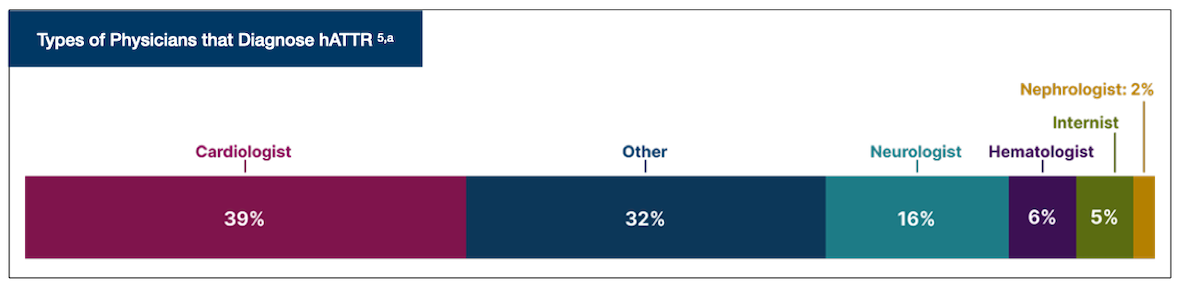
Patients with hATTR may see a variety of physicians before receiving an eventual diagnosis due to the systemic nature of the disease5-8

Patients with hATTR may see a variety of physicians before receiving an eventual diagnosis due to the systemic nature of the disease

aData based on an ARC survey of 653 patients with cardiac amyloidosis and their caregivers (hATTR respondents, n=114) and their journey to diagnosis.

How Does hATTR Progress?

hATTR is under-recognized and often misdiagnosed, contributing to delayed diagnosis and poor patient outcomes1,2

The progression of disease is affected by disease onset and TTR gene variant.2,11

hATTR-PN progresses ~8x faster

than other peripheral neuropathies (ie, CMT)9

Patients with hATTR-PN experience progressive reduction in ambulation and daily function as the disease progresses2,12

Patients with hATTR-PN experience progressive reduction in ambulation and daily function as the disease progresses

Patients with hATTR-CM experience negative outcomes and poor survival as the disease progresses11,13-15

Patients with hATTR-CM experience negative outcomes and poor survival as the disease progresses

As hATTR progresses, it leads to further complications and significant impairment in quality of life2,9

85%

Had fatigue/lethargy

80%

Unable to participate in
social activities

80%

Difficulty gripping
or holding objects

71%

Expressed fear/anxiety

60%

Difficulty dressing or bathing 

43%

Had loss of balance/dizziness 

aData from semistructured interviews in a qualitative, non-interventional study of 14 adults with hATTR. Mean age of patients was 61.5 years, and mean time since diagnosis of hATTR was 5 years. 

There are significant delays in the diagnosis and treatment of hATTR1,3,4

The impact of delaying treatment can be substantial, with irreversible loss of quality of life and disease progression.1,4

hATTR-PN2,14

Time to diagnosisa: 3 to 4 years 


Survival time from diagnosisb: 5 to 15 years 

hATTR-CM3,16

Time to diagnosisa: 2 to 7 years


Survival time from diagnosisb: 2 to 5 years

aMean; bMedian. 

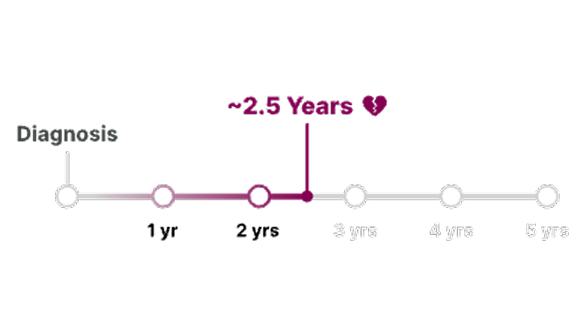
Variants may impact prognosis and survival

V122I is associated with an increased risk of heart failure and death.17


Median survival after diagnosis without treatment is ~2.5 years for the V122I variant.11

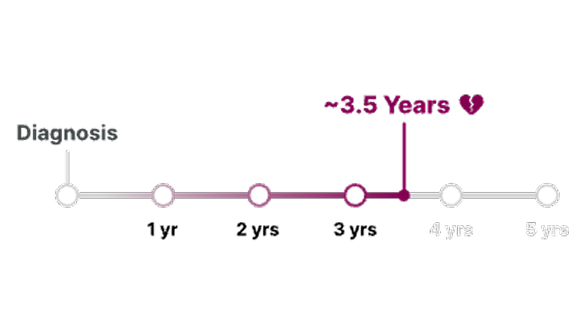
Median survival after diagnosis is ~3.5 years for the T60A variant.14,18


ARCAmyloidosis Research Center


ATTRtransthyretin-mediated amyloidosis


CMcardiomyopathy


CMTCharcot-Marie-Tooth disease


hATTRhereditary transthyretin-mediated amyloidosis


hATTR-CMcardiomyopathy of hereditary transthyretin-mediated amyloidosis


hATTR-PNpolyneuropathy of hereditary transthyretin-mediated amyloidosis


HFheart failure


PNpolyneuropathy


TTRtransthyretin


ATTRwtwild-type transthyretin-mediated amyloidosis 

1. Planté-Bordeneuve V, Ferreira A, Lalu T, et al. Diagnostic pitfalls in sporadic transthyretin familial amyloid polyneuropathy (TTR-FAP). Neurology. 2007;69(7):693-698. https://doi.org/10.1212/01.wnl.0000267338.45673.f4


2. Adams D, Ando Y, Beirão JM, et al. Expert consensus recommendations to improve diagnosis of ATTR amyloidosis with polyneuropathy. J Neurol. 2021;268(6):2109-2122. https://doi.org/10.1007/s00415-019-09688-0


3. Witteles RM, Bokhari S, Damy T, et al. Screening for transthyretin amyloid cardiomyopathy in everyday practice. JACC Heart Fail. 2019;7(8):709-716. https://doi.org/10.1016/j.jchf.2019.04.010


4. Nativi-Nicolau JN, Karam C, Khella S, et al. Screening for ATTR amyloidosis in the clinic: overlapping disorders, misdiagnosis, and multiorgan awareness. Heart Fail Rev. 2022;27(3):785-793. https://doi.org/10.1007/s10741-021-10080-2


5. Lousada I, Maurer MS, Warner M, et al. Amyloidosis Research Consortium cardiac amyloidosis survey: results from patients with AL and ATTR amyloidosis and their caregivers [poster]. Presented at: XVI International Symposium on Amyloidosis (ISA); March 26-29, 2018; Kumamoto, Japan.


6. Gertz M, Adams D, Ando Y, et al. Avoiding misdiagnosis: expert consensus recommendations for the suspicion and diagnosis of transthyretin amyloidosis for the general practitioner. BMC Fam Pract. 2020;21(1):198. https://doi.org/10.1186/s12875-020-01252-4


7. Luigetti M, Romano A, Di Paolantonio A, et al. Diagnosis and treatment of hereditary transthyretin amyloidosis (hATTR) polyneuropathy: current perspectives on improving patient care. Ther Clin Risk Manag. 2020;16:109-123. https://doi.org/10.2147/TCRM.S219979


8. Kittleson MM, Ruberg FL, Ambardekar AV, et al; Writing Committee. 2023 ACC expert consensus decision pathway on comprehensive multidisciplinary care for the patient with cardiac amyloidosis: a report of the American College of Cardiology Solution Set Oversight Committee. J Am Coll Cardiol. 2023;81(11):1076-1126. https://doi.org/10.1016/j.jacc.2022.11.022


9. Lin X, Yarlas A, Vera-Llonch M, et al. Rate of neuropathic progression in hereditary transthyretin amyloidosis with polyneuropathy and other peripheral neuropathies: a systematic review and meta-analysis. BMC Neurol. 2021;21(1):70. https://doi.org/10.1186/s12883-021-02094-y


10. Lovley A, Raymond K, Guthrie SD, et al. Patient-reported burden of hereditary transthyretin amyloidosis on functioning and well-being. J Patient Rep Outcomes. 2021;5(1):3. https://doi.org/10.1186/s41687-020-00273-y


11. Ruberg FL, Grogan M, Hanna M, et al. Transthyretin amyloid cardiomyopathy: JACC state-of-the-art review. J Am Coll Cardiol. 2019;73(22):2872-2891. https://doi.org/10.1016/j.jacc.2019.04.003


12. Adams D. Recent advances in the treatment of familial amyloid polyneuropathy. Ther Adv Neurol Disord. 2013;6(2):129-139. https://doi.org/10.1177/1756285612470192


13. Ruberg FL, Berk JL. Transthyretin (TTR) cardiac amyloidosis. Circulation. 2012;126(10):1286-1300.


14. Hawkins PN, Ando Y, Dispenzeri A, et al. Evolving landscape in the management of transthyretin amyloidosis. Ann Med. 2015;47(8):625-638. https://doi.org/10.3109/07853890.2015.1068949


15. Griffin JM, Rosenthal JL, Grodin JL, et al. ATTR amyloidosis: current and emerging management strategies: JACC: CardioOncology State-of-the-Art Review. JACC CardioOncol. 2021;3(4):488-505. https://doi.org/10.1016/j.jaccao.2021.06.006


16. Rozenbaum MH, Large S, Bhambri R, et al. Impact of delayed diagnosis and misdiagnosis for patients with transthyretin amyloid cardiomyopathy (ATTR-CM): a targeted literature review. Cardiol Ther. 2021;10(1):141-159. https://doi.org/10.1007/s40119-021-00219-5


17. Buxbaum J, Alexander A, Koziol J, et al. Significance of the amyloidogenic transthyretin Val 122 Ile allele in African Americans in the Arteriosclerosis Risk in Communities (ARIC) and Cardiovascular Health (CHS) Studies. Am Heart J. 2010;159(5):864-870. https://doi.org/10.1016/j.ahj.2010.02.006


18. Sattianayagam PT, Hahn AF, Whelan CJ, et al. Cardiac phenotype and clinical outcome of familial amyloid polyneuropathy associated with transthyretin alanine 60 variant. Eur Heart J. 2012;33(9):1120-1127. https://doi.org/10.1093/eurheartj/ehr383

Suspecting hATTR

  1. hATTR is a Systemic Disease

    Red-flag signs and symptoms can raise suspicion
  2. Polyneuropathy & Cardiomyopathy

    Recognize the most common clinical manifestations of hATTR
  3. Mixed Phenotypes are Common

    The majority of patients with hATTR in the US have mixed phenotype (PN & CM).

hATTR is a systemic disease with seemingly unrelated signs & symptoms1-5

Accumulation of TTR in various organs and tissues results in multisystem dysfunction.2

Multisystemic, Non-specific, Mixed Presentation1-6

Multisystemic, Non-specific, Mixed Presentation

Ocular

  • Dark floaters
  • Glaucoma
  • Abnormal blood vessels in eye
  • Pupillary abnormalities


Polyneuropathy 

Autonomic Neuropathy

  • Orthostatic hypotension
  • Chronic diarrhea/constipation
  • Weight loss
  • Sexual dysfunction
  • Lower urinary tract dysfunction
  • Dry eye

Sensorimotor Neuropathy

  • Weakness
  • Numbness
  • Pain
  • Impaired pain/thermal sensibilities
  • Gait disability
  • Balance disorder


Cardiac 

  • Heart failure
  • Atrial fibrillation
  • Conduction abnormalities
  • Increased interventricular septum thickness
  • EKG voltage discordance with LV thickness
  • Intolerance to HF guideline-directed medical therapy

Gastrointestinal

  • Nausea
  • Vomiting
  • Diarrhea
  • Constipation
  • Bloating


Renal

  • Proteinuria 
  • Renal failure

Musculoskeletal

  • Carpal tunnel syndrome
  • Lumbar spinal stenosis
  • Shoulder, knee, and/or hip pain or surgery
  • Ruptured distal biceps tendon

Awareness of Red-Flag Signs and Symptoms Should Raise Clinical Suspicion of hATTR1,7,8

Due to its non-specific, multisystem presentation with seemingly unrelated signs and symptoms, hATTR is often overlooked or misdiagnosed.1

Red-flags can precede an accurate diagnosis by many years and warrant screening for hATTR.1,7,8


Key Red Flags

Prominent and disabling manifestation of autonomic dysfunction9-11

  • Can result from heart failure due to amyloid cardiomyopathy or from volume depletion9
  • May also occur independent of the presence of cardiomyopathy due to neuronal amyloid fibril deposition9


Symptoms12

  • Dizziness
  • Lightheadedness
  • Blurred vision when standing
  • Falls
  • Syncope


Impact on Quality of Life

  • Dizziness impacts daily movements; in severe cases, patients become progressively wheelchair bound and bedridden.12

Amyloidosis can affect GI function via multiple potential mechanisms6

Types of GI Amyloid Involvement  Associated Symptoms
Mucosal
  • Bloating
  • Nausea
  • Vomiting
  • Diarrhea

Autonomic

  • Bloating
  • Nausea
  • Vomiting
  • Diarrhea
  • Constipation

Vascular

  • GI bleeding
  • Ischemia
  • Impact on Quality of Life12
  • Negative effects on social life and daily activities

*Range: ~20% to ~78% depending on the variant13

Early indicators of hATTR include bilateral carpal tunnel syndrome and lumbar spinal stenosis1,2,14-16

Carpal Tunnel Syndrome (CTS)7,14,17,18

Occurs due to deposition of amyloid fibrils in the tenosynovial tissue, leading to compression of the median nerve17,18

Occurs ~2-12 years before hATTR diagnosis19

Lumbar Spinal Stenosis (LSS)16,20-22

  • Amyloid deposition causes thickening of the ligamentum flavum16
  • Leads to compression and narrowing of spinal canal20

CTS
LSS

Explore Further Considerations When Suspecting hATTR

Common Clinical Manifestations of hATTR(PN & CM)

Learn More

Mixed Phenotypes are Common


Learn More

Up Next

Polyneuropathy & Cardiomyopathy

Polyneuropathy and Cardiomyopathy are the most common clinical manifestations of hATTR

Polyneuropathy of hATTR

hATTR-PN is identified by its sensorimotor and autonomic involvement

Sensorimotor Involvement

The rapid rate of progression and early motor involvement are distinguishing features of the peripheral neuropathy.23,24

Polyneuropathy of hATTR

Sensorimotor Involvement

Autonomic neuropathy symptoms are common and may occur early in the disease7,27,28

  • Occurs in 50-80% of patients with hATTR amyloidosis27
  • Affects the cardiovascular, gastrointestinal, and urogenital systems, and has a significant impact on quality of life7,12

Percentage of Patients With Common Symptoms of Autonomic Dysfunction (n=1107)29,a

56.8%

Erectile dysfunction

32.1%

Early satiety

25.7%

Diarrhea

25.4%

Constipation

22.5%

Urinary retention 

21.6%

Nausea

  • aData from patients with hATTR and symptoms of autonomic dysfunction at the time of enrollment in the Transthyretin Outcomes Survey (THAOS), an ongoing, global, longitudinal, observational survey (analysis cut-off date: August 1, 2020).
  • bn=708 (males only).

Cardiomyopathy of hATTR

hATTR-CM is a progressive and fatal disease and can be overlooked as a cause of heart failure.3,30

How Does hATTR-CM Present?31

  • Characterized by clinical progression of heart failure, conduction abnormalities, and arrhythmias.3,30,32
  • Patients present with dyspnea, fatigue, peripheral edema, and palpitations.32
  • Patients experience progressive declines in LVEF and 6MWT.33

Note: Prospective study of n=108 patients from August 2014 to September 2018 who underwent right heart catheterization and endomyocardial biopsy to identify underlying pathophysiologies in HFpEF.31

Clinical clues that should raise suspicion for hATTR-CM6

Clinical

  • Fatigue
  • Heart failure symptoms
  • Family history of heart failure

Laboratories

  • Persistent low-level troponin elevation
  • Elevated BNP or NT-proBNP


Electrical

  • Conduction system disease/pacemaker
  • Atrial fibrillation
  • Pseudoinfarct pattern
  • Discordant QRS voltage for degree of increased LV wall thickness on imaging
Learn More

Imaging

  • Increased LV wall thicknessa
  • Grade 2 or worse diastolic function
  • Abnormal longitudinal strain with apical sparing
  • Diffuse subendocardial or transmural LGE on CMR imaging with increased ECV

aAbove the sex-specific upper limit of normal and typically ≥1.2 cm.

Learn More

Explore Further Considerations When Suspecting hATTR

Common Clinical Manifestations of hATTR(PN & CM)

Learn More

Mixed Phenotypes are Common


Learn More

Up Next

Mixed Phenotypes are Common

Mixed Phenotypes are Common

Although clinical presentation can be polyneuropathy or cardiomyopathy dominant, mixed phenotypes (PN & CM) are common as a result of multisystem involvement.1

aRetrospective analysis of n=1551 patients with hATTR identified via Commercial and Medicare Fee-for-Service medical and pharmacy claims from 2018-2020.

There is considerable heterogeneity in clinical manifestations across TTR gene variants29,37,38,a

The most common TTR gene variants in the US are V122I, T60A, and V30M.37 

aPrevalence of symptoms (%) at baseline in patients with hATTR (n=1579) enrolled in a global, longitudinal, observational patient registry (THAOS) as of June 2013. Seventeen countries participated and the largest contributors were: Portugal (46%), United States (13%), Italy (7%), France, Germany and Brazil (6% each), Sweden (5%), and Japan (4%).

Undiagnosed hATTR patients with mixed phenotype are in your practice

In the US:

aProspective study of n=108 patients from August 2014 to September 2018 who underwent right heart catheterization and endomyocardial biopsy to identify underlying pathophysiologies in HFpEF.


bThe reported penetrance of V122I varies widely, from 7% (echocardiographic features) to 39% (nuclear scintigraphy) to 100% (autopsy specimens).32

Learn more about diagnosing hATTR

Diagnosing hATTR

Explore Further Considerations When Suspecting hATTR

Common Clinical Manifestations of hATTR(PN & CM)

Learn More

Mixed Phenotypes are Common


Learn More

6MWT: 6-minute walk test


ATTR: transthyretin-mediated amyloidosis


BNP: B-type natriuretic peptide


CM: cardiomyopathy


CMR: cardiac magnetic resonance


CTS: carpal tunnel syndrome


ECG: electrocardiogram


ECHO: echocardiogram


ECV: extracellular volume


GI: gastrointestinal


hATTR: hereditary transthyretin-mediated amyloidosis


hATTR-CM: cardiomyopathy of hereditary transthyretin-mediated amyloidosis


hATTR-PN: polyneuropathy of hereditary transthyretin-mediated amyloidosis


HF: heart failure


HFpEF: heart failure with preserved ejection fraction


LGE: late gadolinium enhancement


LSS: lumbar spinal stenosis


LV: left ventricular


LVEF: left ventricular ejection fraction


NT-proBNP: N-terminal pro-B-type natriuretic peptide


PN: polyneuropathy


TTR: transthyretin


US: United States

1. Nativi-Nicolau JN, Karam C, Khella S, et al. Screening for ATTR amyloidosis in the clinic: overlapping disorders, misdiagnosis, and multiorgan awareness. Heart Fail Rev. 2022;27(3):785-793. https://doi.org/10.1007/s10741-021-10080-2


2. Gertz M, Adams D, Ando Y, et al. Avoiding misdiagnosis: expert consensus recommendations for the suspicion and diagnosis of transthyretin amyloidosis for the general practitioner. BMC Fam Pract. 2020;21(1):198. https://doi.org/10.1186/s12875-020-01252-4


3. Witteles RM, Bokhari S, Damy T, et al. Screening for transthyretin amyloid cardiomyopathy in everyday practice. JACC Heart Fail. 2019;7(8):709-716. https://doi.org/10.1016/j.jchf.2019.04.010


4. Bentellis I, Amarenco G, Gamé X, et al. Diagnosis and treatment of urinary and sexual dysfunction in hereditary TTR amyloidosis. Clin Auton Res. 2019;29(suppl 1):65-74. https://doi.org/10.1007/s10286-019-00627-7


5. Martins AC, Rosa AM, Costa E, et al. Ocular manifestations and therapeutic options in patients with familial amyloid polyneuropathy: a systematic review. Biomed Res Int. 2015;2015:282405. https://doi.org/10.1155/2015/282405


6. Kittleson MM, Ruberg FL, Ambardekar AV, et al; Writing Committee. 2023 ACC expert consensus decision pathway on comprehensive multidisciplinary care for the patient with cardiac amyloidosis: a report of the American College of Cardiology Solution Set Oversight Committee. J Am Coll Cardiol. 2023;81(11):1076-1126. https://doi.org/10.1016/j.jacc.2022.11.022


7. Kapoor M, Rossor AM, Laura M, et al. Clinical presentation, diagnosis and treatment of TTR amyloidosis. J Neuromuscul Dis. 2019;6(2):189-199. https://doi.org/10.3233/JND-180371


8. Garcia-Pavia P, Bengel F, Brito D, et al. Expert consensus on the monitoring of transthyretin amyloid cardiomyopathy. Eur J Heart Fail. 2021;23(6):895-905. https://doi.org/10.1002/ejhf.2198


9. Palma JA, Gonzalez-Duarte A, Kaufmann H. Orthostatic hypotension in hereditary transthyretin amyloidosis: epidemiology, diagnosis and management. Clin Auton Res. 2019;29(suppl 1):33-44. https://doi.org/10.1007/s10286-019-00623-x


10. Loavenbruck AJ, Singer W, Mauermann ML, et al. Transthyretin amyloid neuropathy has earlier neural involvement but better prognosis than primary amyloid counterpart: an answer to the paradox? Ann Neurol. 2016;80(3):401-411. https://doi.org/10.1002/ana.24725


11. Planté-Bordeneuve V, Ferreira A, Lalu T, et al. Diagnostic pitfalls in sporadic transthyretin familial amyloid polyneuropathy (TTR-FAP). Neurology. 2007;69(7):693-698. https://doi.org/10.1212/01.wnl.0000267338.45673.f4


12. Gendre T, Planté-Bordeneuve V. Strategies to improve the quality of life in patients with hereditary transthyretin amyloidosis (hATTR) and autonomic neuropathy. Clin Auton Res. 2019;29(suppl 1):25-31. https://doi.org/10.1007/s10286-019-00624-w


13. Dispenzieri A, Coelho T, Conceição I, et al. Clinical and genetic profile of patients enrolled in the Transthyretin Amyloidosis Outcomes Survey (THAOS): 14-year update. Orphanet J Rare Dis. 2022;17(1):236. https://doi.org/10.1186/s13023-022-02359-w


14. Lousada I, Maurer MS, Warner M, et al. Amyloidosis Research Consortium cardiac amyloidosis survey: results from patients with AL and ATTR amyloidosis and their caregivers [poster]. Presented at: XVI International Symposium on Amyloidosis (ISA); March 26-29, 2018; Kumamoto, Japan.


15. Ando Y, Coelho T, Berk JL, et al. Guideline of transthyretin-related hereditary amyloidosis for clinicians. Orphanet J Rare Dis. 2013;8:31. https://doi.org/10.1186/1750-1172-8-31


16. aus dem Siepen F, Hein S, Prestel S, et al. Carpal tunnel syndrome and spinal canal stenosis: harbingers of transthyretin amyloid cardiomyopathy? Clin Res Cardiol. 2019;108(12):1324-1330. https://doi.org/10.1007/s00392-019-01467-1


17. Karam C, Dimitrova D, Christ M, et al. Carpal tunnel syndrome and associated symptoms as first manifestation of hATTR amyloidosis. Neurol Clin Pract. 2019;9(4):309-313. https://doi.org/10.1212/CPJ.0000000000000640


18. Ruberg FL, Grogan M, Hanna M, et al. Transthyretin amyloid cardiomyopathy: JACC state-of-the-art review. J Am Coll Cardiol. 2019;73(22):2872-2891. https://doi.org/10.1016/j.jacc.2019.04.003


19. Aldinc E, Campbell C, Gustafsson F, et al. Musculoskeletal manifestations associated with transthyretin-mediated (ATTR) amyloidosis: a systematic review. BMC Musculoskelet Disord. 2023;24(1):751. https://doi.org/10.1186/s12891-023-06853-5


20. Westermark P, Westermark GT, Suhr OB, et al. Transthyretin-derived amyloidosis: probably a common cause of lumbar spinal stenosis. Ups J Med Sci. 2014;119(3):223-228. https://doi.org/10.3109/03009734.2014.895786


21. Rubin J, Alvarez J, Teruya S, et al. Hip and knee arthroplasty are common among patients with transthyretin cardiac amyloidosis, occurring years before cardiac amyloid diagnosis: can we identify affected patients earlier? Amyloid. 2017;24(4):226-230. https://doi.org/10.1080/13506129.2017.1375908


22. Cortese A, Vegezzi E, Lozza A, et al. Diagnostic challenges in hereditary transthyretin amyloidosis with polyneuropathy: avoiding misdiagnosis of a treatable hereditary neuropathy. J Neurol Neurosurg Psychiatry. 2017;88(5):457-458. https://doi.org/10.1136/jnnp-2016-31526


23. Lin X, Yarlas A, Vera-Llonch M, et al. Rate of neuropathic progression in hereditary transthyretin amyloidosis with polyneuropathy and other peripheral neuropathies: a systematic review and meta-analysis. BMC Neurol. 2021;21(1):70. https://doi.org/10.1186/s12883-021-02094-y


24. Karam C, Mauermann ML, Gonzalez-Duarte A, et al. Diagnosis and treatment of hereditary transthyretin amyloidosis with polyneuropathy in the United States: recommendations from a panel of experts. Muscle Nerve. 2024;69(3):273-287. https://doi.org/10.1002/mus.28026


25. Conceição I, González-Duarte A, Obici L, et al. “Red-flag” symptom clusters in transthyretin familial amyloid polyneuropathy. J Peripher Nerv Syst. 2016;21(1):5-9. https://doi.org/10.1111/jns.12153


26. Adams D, Ando Y, Beirão JM, et al. Expert consensus recommendations to improve diagnosis of ATTR amyloidosis with polyneuropathy. J Neurol. 2021;268(6):2109-2122. https://doi.org/10.1007/s00415-019-09688-0


27. Gonzalez-Duarte A, Valdés-Ferrer SI, Cantú-Brito C. Characteristics and natural history of autonomic involvement in hereditary ATTR amyloidosis: a systematic review. Clin Auton Res. 2019;29(suppl 1):1-9. https://doi.org/10.1007/s10286-019-00630-y


28. Sekijima Y, Ueda M, Koike H, et al. Diagnosis and management of transthyretin familial amyloid polyneuropathy in Japan: red-flag symptom clusters and treatment algorithm. Orphanet J Rare Dis. 2018;13(1):6. https://doi.org/10.1186/s13023-017-0726-x


29. Barroso FA, Coelho T, Dispenzieri A, et al. Characteristics of patients with autonomic dysfunction in the Transthyretin Amyloidosis Outcomes Survey (THAOS). Amyloid. 2022;29(3):175-183. https://doi.org/10.1080/13506129.2022.2043270


30. Maurer MS, Bokhari S, Damy T, et al. Expert consensus recommendations for the suspicion and diagnosis of transthyretin cardiac amyloidosis. Circ Heart Fail. 2019;12(9):e006075. https://doi.org/10.1161/CIRCHEARTFAILURE.119.006075


31. Hahn VS, Yanek LR, Vaishnav J, et al. Endomyocardial biopsy characterization of heart failure with preserved ejection fraction and prevalence of cardiac amyloidosis. JACC Heart Fail. 2020;8(9):712-724. https://doi.org/10.1016/j.jchf.2020.04.007


32. Ruberg FL, Maurer MS. Cardiac amyloidosis due to transthyretin protein: a review. JAMA. 2024;331(9):778-791. https://doi.org/10.1001/jama.2024.0442


33. Ruberg FL, Maurer MS, Judge DP, et al. Prospective evaluation of the morbidity and mortality of wild-type and V122I mutant transthyretin amyloid cardiomyopathy: the Transthyretin Amyloidosis Cardiac Study (TRACS). Am Heart J. 2012;164(2):222-228.e1. https://doi.org/10.1016/j.ahj.2012.04.015


34. Sabbour H, Hasan KY, Al Badarin F, et al. From clinical clues to final diagnosis: the return of detective work to clinical medicine in cardiac amyloidosis. Front Cardiovasc Med. 2021;8:644508. https://doi.org/10.3389/fcvm.2021.644508


35. Martinez-Naharro A, Treibel TA, Abdel-Gadir A, et al. Magnetic resonance in transthyretin cardiac amyloidosis. J Am Coll Cardiol. 2017;70(4):466-477. https://doi.org/10.1016/j.jacc.2017.05.053


36. Bazell C, Alston M, Kumar N, et al. Descriptive characteristics of patients diagnosed with transthyretin amyloidosis (ATTR) in the Medicare fee-for-service and commercial populations [poster]. Presented at: International Symposium of Amyloidosis (ISA); May 26-30, 2024; Rochester, MN. Poster 518. https://doi.org/10.26226/m.65f9bf8be6f73964e1d4f804


37. Maurer MS, Hanna M, Grogan M, et al. Genotype and phenotype of transthyretin cardiac amyloidosis: THAOS (Transthyretin Amyloid Outcome Survey). J Am Coll Cardiol. 2016;68(2):161-172. https://doi.org/10.1016/j.jacc.2016.03.596


38. Wixner J, Mundayat R, Karayal ON, et al. THAOS: gastrointestinal manifestations of transthyretin amyloidosis – common complications of a rare disease. Orphanet J Rare Dis. 2014;9:61. https://doi.org/10.1186/1750-1172-9-61


39. Chandrashekar P, Alhuneafat L, Mannello M, et al. Prevalence and outcomes of p.Val142Ile TTR amyloidosis cardiomyopathy: a systematic review. Circ Genom Precis Med. 2021;14(5):e003356. https://doi.org/10.1161/CIRCGEN.121.003356

Diagnosing hATTR

  • Comprehensive testing and evaluation is needed to differentiate between other conditions with similar, non-specific signs and symptoms1,2
  • Clinical phenotypes in hATTR are broken down into 3 broad categories3:

Predominantly neurologic3

Predominantly cardiac3

A mixed phenotype (PN & CM)1,2

Diagnostic Pathway to Help Identify Patients With hATTR4-8

Diagnostic Pathway to Help Identify Patients With hATTR

Note: Algorithms are for illustrative purposes only.

Cascade Testing of At-risk First-degree Relatives Should be Considered4,9

Key aspects of care include knowledge regarding specific TTR variants, performing a thorough directed history and physical examination, implementing relevant clinical testing, and ensuring long-term follow up.4

Learn More

Diagnosing hATTR through different lenses

Cardiologists and neurologists may have different considerations to diagnosing hATTR in their practice

  1. Understanding ATTR
  2. Confronting hATTR

Cardiomyopathy of hATTR

A step-wise approach to diagnosing hATTR through a cardiology lens

Explore for clues that raise clinical suspicion for hATTR-CM. Learn more

There are various forms of amyloidosis.10 In light-chain amyloidosis (AL), immunoglobulin light chain proteins misfold to form insoluble fibrils, which deposit in the body, including the heart.11,12

Screen for the presence of monoclonal protein4

  • Serum kappa/lambda free light chain ratio (abnormal if ratio <0.26 or >1.65) in patients with normal kidney function
  • Serum and urine protein electrophoresis with immunofixation (abnormal if monoclonal protein is detected)

IF NEGATIVE (normal results)4

Progress to Tc-99m-PYP cardiac scintigraphy


IF POSITIVE (abnormal results)4

  • Refer to hematology (cardiac or other biopsy, and tissue typing)
  • Positive cardiac biopsy
    AL-CM


Note:

  • Cardiac scintigraphy could be ordered simultaneously for efficiency but must be interpreted in the context of a negative monoclonal protein screen4 
  • Avoid false positives: SPECT imaging to exclude blood pool uptake
  • Avoid false negatives: consider biopsy if scan is negative/equivocal but clinical suspicion is high

IF monoclonal protein screen NEGATIVE4

Progress to Tc-99m-PYP cardiac scintigraphy

POSITIVE PYP scan4

ATTR-CM diagnosis confirmed4


Learn More About PYP Scans

Learn More

Note:

  • Cardiac scintigraphy could be ordered simultaneously for efficiency but must be interpreted in the context of a negative monoclonal protein screen4
  • Avoid false positives: SPECT imaging to exclude blood pool uptake
  • Avoid false negatives: consider biopsy if scan is negative/equivocal but clinical suspicion is high

Genetic Testing

Genetic Testing

  • For patients diagnosed with ATTR-CM, genetic testing should be performed to differentiate hereditary from wild-type disease.4,8,15,16
  • DNA sequencing of TTR gene establishes presence or absence of a TTR variant4,7,8
  • 150+ pathogenic variants are currently identified worldwide17

Autonomic Dysfunction

  • Orthostatic hypotension
  • Diarrhea/constipation
  • Urinary retention
  • Erectile dysfunction

Sensory Symptoms

  • Orthostatic hypotension
  • Diarrhea/constipation
  • Urinary retention
  • Erectile dysfunction

Physical Examination

  • Muscle weakness
  • Distal sensory loss
  • Reduced or absent reflexes
  • Wide-based unsteady gait

Motor Loss

  • Tripping, foot drop
  • Difficulty with stairs
  • Usually presenting after sensory symptoms


Polyneuropathy of hATTR

Musculoskeletal symptoms often precede an ATTR amyloidosis diagnosis by several years18-20

Polyneuropathy of hATTR

aIncludes patients with wild-type and hereditary ATTR.

Common Misdiagnoses of hATTR-PN

Misdiagnosis Misleading features Red-flags 
Chronic inflammatory demyelinating polyneuropathy7
  • SM 4 limbs
  • Diffuse areflexia
  • Albuminocytologic dissociation
  • Demyelination on biopsy
  • Demyelinating NCS
  • Pain
  • Sensory loss (wrists)
  • Autonomic dysfunction
  • Upper limb weakness
  • NCS (reduced SNAP, preserved conduction velocity)21

Chronic axonal idiopathic PN7 

  • Axonal neuropathy in the elderly, seemingly idiopathic
  • Severity, disability, rapid
  • Difficulties in walking
Charcot-Marie-Tooth
  • Axonal neuropathy22
  • Decreased sensitivity to heat, touch or pain23
  • Muscle weakness in the hand, foot or lower leg
  • Difficulty with fine motor skills
  • Loss of muscle mass in the lower leg
Diabetic PNP7 
  • Small-fiber length-dependent PN
  • Autonomic dysfunction
  • Rapid severity/duration of diabetes
  • Difficulties in walking

Appropriate Clinical Suspicion Can Hasten Diagnosis7

Expert consensus recommendations to improve hATTR-PN diagnosis7

Consider evaluating for hATTR-PN in patients with progressive and disabling polyneuropathy plus at least one red-flag symptom7

Neurological Evaluation

Neurologic evaluation includes assessment of sensorimotor symptoms, autonomic dysfunction, and physical examination.4

Polyneuropathy Confirmatory Testing Helps Characterize Large-Fiber Nerve Involvement in hATTR-PN6

EMG24,a

EMG may show spontaneous activity in the form of fibrillation potentials and positive sharp waves signifying axonal injury and active denervation   

NCS24,a

NCS typically shows an axonal neuropathy, involving sensory more than motor fibers


aSmall-fiber neuropathy is not detected by conventional EMG/NCS; therefore, additional testing may be performed to confirm small-fiber involvement.6Learn more about EMG/NCS click here

Genetic Testing Is Key to Diagnosing hATTR

Once hATTR-PN is suspected, confirmatory testing can help make a diagnosis.7

Required Confirmatory Testing7

Optional Confirmatory Testing6,7

Amyloid typing

DNA Sequencing

  • Analysis of the amyloidogenic TTR variant
  • Can support or exclude a diagnosis of hereditary ATTR amyloidosis

Biopsy of amyloid deposition

  • Congo red staining with characteristic apple green birefringence under polarized light

Learn More About Biopsies


Immunohistochemistry or mass spectrometry


AL: light-chain amyloidosis


AL-CM: cardiomyopathy of light-chain amyloidosis


ATTR: transthyretin-mediated amyloidosis


ATTR-CM: cardiomyopathy of transthyretin-mediated amyloidosis


ATTRwt: wild-type transthyretin-mediated amyloidosis


CM: cardiomyopathy


CMR: cardiac magnetic resonance


CV: cardiovascular 


DNA: deoxyribonucleic acid 


DPD: 3,3-diphosphono-1,2-propanodicarboxylic acid


ECG: electrocardiogram


ECV: extracellular volume


ED: erectile dysfunction


EMG: electromyography


GI: gastrointestinal


hATTR: hereditary transthyretin-mediated amyloidosis


hATTR-CM: cardiomyopathy of hereditary transthyretin-mediated amyloidosis


hATTR-PN: polyneuropathy of hereditary transthyretin-mediated amyloidosis


H/CL: heart to contralateral lung


LGE: late gadolinium enhancement


LV: left ventricula


rNCS: nerve conduction studies


NIS: Neuropathy Impairment Score


NT-proBNP: N-terminal pro-B-type natriuretic peptide


OH: orthostatic hypotension


PN: polyneuropathy


PNP: peripheral neuropathy


PYP: pyrophosphate


QSART: quantitative sudomotor axon reflex testing


SM: sensorimotor


SNAP: sensory nerve action potential


SPECT: single-photon emission computed tomography


Tc-99m: technetium-99m


TTR: transthyretin

1. Benson MD, Dasgupta NR, Rao R. Diagnosis and screening of patients with hereditary transthyretin amyloidosis (hATTR): current strategies and guidelines. Ther Clin Risk Manag. 2020;16:749-758.


2. Conceição I, González-Duarte A, Obici L, et al. “Red-flag” symptom clusters in transthyretin familial amyloid polyneuropathy. J Peripher Nerv Syst. 2016;21(1):5-9. https://doi.org/10.1111/jns.12153


3. Hawkins PN, Ando Y, Dispenzeri A, et al. Evolving landscape in the management of transthyretin amyloidosis. Ann Med. 2015;47(8):625-638. https://doi.org/10.3109/07853890.2015.1068949


4. Kittleson MM, Ruberg FL, Ambardekar AV, et al; Writing Committee. 2023 ACC expert consensus decision pathway on comprehensive multidisciplinary care for the patient with cardiac amyloidosis: a report of the American College of Cardiology Solution Set Oversight Committee. J Am Coll Cardiol. 2023;81(11):1076-1126. https://doi.org/10.1016/j.jacc.2022.11.022


5. Gertz M, Adams D, Ando Y, et al. Avoiding misdiagnosis: expert consensus recommendations for the suspicion and diagnosis of transthyretin amyloidosis for the general practitioner. BMC Fam Pract. 2020;21(1):198. https://doi.org/10.1186/s12875-020-01252-4


6. Alcantara M, Mezei MM, Baker SK, et al. Canadian guidelines for hereditary transthyretin amyloidosis polyneuropathy management. Can J Neurol Sci. 2022;49(1):7-18. https://doi.org/10.1017/cjn.2021.34


7. Adams D, Ando Y, Beirão JM, et al. Expert consensus recommendations to improve diagnosis of ATTR amyloidosis with polyneuropathy. J Neurol. 2021;268(6):2109-2122. https://doi.org/10.1007/s00415-019-09688-0


8. Heidenreich PA, Bozkurt B, Aguilar D, et al. 2022 AHA/ACC/HFSA guideline for the management of heart failure: a report of the American College of Cardiology/American Heart Association Joint Committee on Clinical Practice Guidelines. J Am Coll Cardiol. 2022;79(17):e263-e421. doi:10.1016/j.jacc.2021.12.012


9. Karam C, Mauermann ML, Gonzalez-Duarte A, et al. Diagnosis and treatment of hereditary transthyretin amyloidosis with polyneuropathy in the United States: recommendations from a panel of experts. Muscle Nerve. 2024;69(3):273-287. https://doi.org/10.1002/mus.28026


10. Rambaran RN, Serpell LC. Amyloid fibrils: abnormal protein assembly. Prion. 2008;2(3):112-117. https://doi.org/10.4161/pri.2.3.7488


11. de Asúa DR, Costa R, Galván JM, et al. Systemic AA amyloidosis: epidemiology, diagnosis, and management. Clin Epidemiol. 2014;6:369-377. https://doi.org/10.2147/CLEP.S39981


12. National Organization for Rare Diseases (NORD). Amyloidosis. Last updated September 27, 2024. NORD website. https://rarediseases.org/rare-diseases/amyloidosis/


13. Dorbala S, Cuddy S, Falk RH, et al. How to image cardiac amyloidosis: a practical approach. JACC Cardiovasc Imaging. 2020;13(6):1368-1383. https://doi.org/10.1016/j.jcmg.2019.07.015


14. Dorbala S, Ando Y, Bokhari S, et al. ASNC/AHA/ASE/EANM/HFSA/ISA/SCMR/SNMMI expert consensus recommendations for multimodality imaging in cardiac amyloidosis: part 1 of 2-evidence base and standardized methods of imaging. Circ Cardiovasc Imaging. 2021;14:e000029. https://doi.org/10.1161/HCI.0000000000000029


15. Garcia-Pavia P, Rapezzi C, Adler Y, et al. Diagnosis and treatment of cardiac amyloidosis: a position statement of the ESC Working Group on Myocardial and Pericardial Diseases. Eur Heart J. 2021;42(16):1554-1568. https://doi.org/10.1093/eurheartj/ehab072


16. Brito D, Albrecht FC, de Arenaza DP, et al. World Heart Federation Consensus on transthyretin amyloidosis cardiomyopathy (ATTR-CM). Glob Heart. 2023;18(1):59. 2023;18(1):59. https://doi.org/10.5334/gh.1262


17. Poli L, Labella B, Cotti Piccinelli S, et al. Hereditary transthyretin amyloidosis: a comprehensive review with a focus on peripheral neuropathy. Front Neurol. 2023;14:1242815. https://doi.org/10.3389/fneur.2023.1242815


18. Aldinc E, Campbell C, Gustafsson F, et al. Musculoskeletal manifestations associated with transthyretin-mediated (ATTR) amyloidosis: a systematic review. BMC Musculoskelet Disord. 2023;24(1):751. https://doi.org/10.1186/s12891-023-06853-5


19. Rubin J, Alvarez J, Teruya S, et al. Hip and knee arthroplasty are common among patients with transthyretin cardiac amyloidosis, occurring years before cardiac amyloid diagnosis: can we identify affected patients earlier? Amyloid. 2017;24(4):226-230. https://doi.org/10.1080/13506129.2017.1375908


20. Debonnaire PC, De Smet M, Trenson M, et al. Trends in diagnosis, referral, red flag onset, patient profiles and natural outcome of de novo cardiacamyloidosis and their multidisciplinary implications. Acta Cardiol. 2022;77(9):791–804.


21. Mathis S, Magy L, Diallo L, et al. Amyloid neuropathy mimicking chronic inflammatory demyelinating polyneuropathy. Muscle Nerve. 2012;45(1):26-31. https://doi.org/10.1002/mus.22229


22. Pareyson D. Differential diagnosis of Charcot-Marie-Tooth disease and related neuropathies. Neurol Sci. 2004;25(2):72-82.


23. National Organization for Rare Disorders (NORD). Charcot-Marie-Tooth disease. Last updated October 5, 2021. NORD website. https://rarediseases.org/rare-diseases/charcot-marie-tooth-disease/


24. Shin SC, Robinson-Papp J. Amyloid neuropathies. Mt Sinai J Med. 2012;79(6):733-748. https://doi.org/10.1002/msj.21352


25. Gertz MA. Hereditary ATTR amyloidosis: burden of illness and diagnostic challenges. Am J Manag Care. 2017;23(7)(suppl):S107-S112.


26. Ando Y, Coelho T, Berk JL, et al. Guideline of transthyretin-related hereditary amyloidosis for clinicians. Orphanet J Rare Dis. 2013;8:31. https://doi.org/10.1186/1750-1172-8-31


27. Ruberg FL, Grogan M, Hanna M, et al. Transthyretin amyloid cardiomyopathy: JACC state-of-the-art review. J Am Coll Cardiol. 2019;73(22):2872-2891. https://doi.org/10.1016/j.jacc.2019.04.003

Scientific Resources

Videos

Watch to Learn More About ATTR

This video discusses the pathophysiology, presentation, disease course and symptoms, and diagnosis of transthyretin-mediated amyloidosis (ATTR)

Slide Deck

Understanding Transthyretin-Mediated Amyloidosis (ATTR)

This presentation provides an overview of ATTR, hereditary ATTR-PN, ATTR-CM, and patient follow-up and monitoring for ATTR.

View Slide Deck

Genetic Testing Resource

Expert consensus recommendations and clinical guidelines recommend genetic testing for all patients with ATTR.1-8

  • Patients with ATTR can receive a genetic test from PreventionGenetics
  • Testing can help you determine if your patient has hATTR1
Genetic Test

Patient Identification Resources

hATTR Pocket Card

Pocket card describing red flag symptoms, diagnostic tests, and patient assessment considerations for hATTR


Please reach out to your MSL for a printed   


View Pocket Card

hATTR Point of Care Clinical Tool 

Clinical Tool describing red flag symptoms, diagnostic pathway and TTR variant genotype correlation with phenotype


Please reach out to your MSL for a printed copy

View Pocket Card

1. Kittleson MM, Ruberg FL, Ambardekar AV, et al; Writing Committee. 2023 ACC expert consensus decision pathway on comprehensive multidisciplinary care for the patient with cardiac amyloidosis: a report of the American College of Cardiology Solution Set Oversight Committee. J Am Coll Cardiol. 2023;81(11):1076-1126. https://doi.org/10.1016/j.jacc.2022.11.022


2. Gertz M, Adams D, Ando Y, et al. Avoiding misdiagnosis: expert consensus recommendations for the suspicion and diagnosis of transthyretin amyloidosis for the general practitioner. BMC Fam Pract. 2020;21(1):198. https://doi.org/10.1186/s12875-020-01252-4


3. Adams D, Ando Y, Beirão JM, et al. Expert consensus recommendations to improve diagnosis of ATTR amyloidosis with polyneuropathy. J Neurol. 2021;268(6):2109-2122. https://doi.org/10.1007/s00415-019-09688-0


4. Alcantara M, Mezei MM, Baker SK, et al. Canadian guidelines for hereditary transthyretin amyloidosis polyneuropathy management. Can J Neurol Sci. 2022;49(1):7-18. https://doi.org/10.1017/cjn.2021.34


5. Heidenreich PA, Bozkurt B, Aguilar D, et al. 2022 AHA/ACC/HFSA Guideline for the Management of Heart Failure: A report of the American College of Cardiology/American Heart Association Joint Committee on Clinical Practice Guidelines. Circulation. 2022;145(18):e895-e1032.


6. Fine NM, Davis MK, Anderson K, et al. Canadian Cardiovascular Society/Canadian Heart Failure Society joint position statement on the evaluation and management of patients with cardiac amyloidosis. Can J Cardiol. 2020;36(3):322-334. https://doi.org/10.1016/j.cjca.2019.12.034


7. Brito D, Albrecht FC, de Arenaza DP, et al. World Heart Federation Consensus on transthyretin amyloidosis cardiomyopathy (ATTR-CM). Glob Heart. 2023;18(1):59. 2023;18(1):59. https://doi.org/10.5334/gh.1262


8. Arbelo E, Protonotarios A, Gimeno JR, et al; ESC Scientific Document Group. 2023 ESC Guidelines for the management of cardiomyopathies. Eur Heart J. 2023;44(37):3503-3626. https://doi.org/10.1093/eurheartj/ehad194


Connect With Us

Are you interested in learning more about the unmet need in transthyretin-mediated amyloidosis (ATTR) care for patients? Would you like to meet with someone from the AstraZeneca Medical team to learn more about AstraZeneca’s ambition in transforming care in ATTR? Use the link below to connect with a Medical Science Liaison in your region. You can also connect with us at one of the following upcoming congresses.

Stay Updated

Register for e-mail updates to stay updated on the latest information from AstraZeneca.           

Sign Up

Connect with an MSL

Connect with a Medical Science Liaison for your region   latest information from AstraZeneca.                      

Find an MSL

Meet Us at an Upcoming Congress

American College of Cardiology (ACC)

Chicago, Illinois


March 29-31, 2025

American Academy of Neurology (AAN)

San Diego, California


April 5-11, 2025

American Neurological Association (ANA)

Baltimore, Maryland


September 13-16, 2025

Heart Failure Society of America (HFSA)

Minneapolis, Minnesota


September 26-29, 2025

American Association of Neuromuscular & Electrodiagnostic Medicine (AANEM)

San Francisco, California


October 29-November 1, 2025

American Heart Association (AHA)


New Orleans, Louisiana


November 8-10, 2025

Information About ATTR:

  • TTR is a protein that transports thyroxine and retinol and is largely produced in the liver (>95%)1,12,13
  • Normally, TTR exists as a tetramer.11 In ATTR, the tetrameric structure of TTR is disrupted, which promotes dissociation into monomers that misfold into amyloid fibrils which have a greater propensity for aggregation8-11
  • Amyloid fibrils cause damage through direct compression, cytotoxicity, obstruction, and/or local blood circulation failure8 

Define the TTR variant

  • PN, CM, or mixed manifestations
  • Penetrance of the variant
  • Age of onset

History and physical examination

  • PN, CM, or mixed manifestations
  • Penetrance of the variant
  • Age of onset

Directed clinical testing

  • ECG, NT-proBNP, troponin, echocardiogram with strain
  • Cardiac scintigraphy if abnormal cardiac screening
  • Neurologic evaluation (ie, NIS, electrodiagnostic studies, skin biopsy) or referral to a neurologist

Focus on the follow-up

  • Frequency based on symptoms
  • History, physical, targeted testing
  • Institute treatment if/when clinical diagnosis is established

Clinical clues that should raise suspicion for hATTR-CM6

Clinical

  • PN, CM, or mixed manifestations
  • Penetrance of the variant
  • Age of onset

Electrical

  • PN, CM, or mixed manifestations
  • Penetrance of the variant
  • Age of onset

Laboratories

  • ECG, NT-proBNP, troponin, echocardiogram with strain
  • Cardiac scintigraphy if abnormal cardiac screening
  • Neurologic evaluation (ie, NIS, electrodiagnostic studies, skin biopsy) or referral to a neurologist

Imaging

  • Increased LV wall thicknessa
  • Grade 2 or worse diastolic function
  • Abnormal longitudinal strain with apical sparing
  • Diffuse subendocardial or transmural LGE on CMR imaging with increased ECV

aAbove the sex-specific upper limit of normal and typically ≥1.2 cm.

Evaluation of large-fiber sensorimotor nerve impairment through electrodiagnostic testing

Typically show an axonal polyneuropathy, involving
sensory more than motor fibers

Sensory nerve conduction amplitudes can be
absent or reduced


Motor nerve conduction amplitudes can be reduced or normal

May show spontaneous activity in the form of fibrillation potentials and positive sharp waves, signifying axonal injury and active denervation


Volitional motor unit recruitment may reveal large, neurogenic motor unit potentials and reduced motor unit recruitment consistent with chronic denervation and reinnervation

Evaluation of small-fiber nerve involvement may be performed in the setting of negative electrodiagnostic results (eg, skin punch biopsy, QSART, autonomic testing of cardiac system).

Evaluation of large-fiber sensorimotor nerve impairment through electrodiagnostic testing 13

pyp

Grade 0 = no uptake


Grade 1 = myocardial uptake less than rib uptake


Grade 2 = myocardial uptake equal to rib uptake


Grade 3 = myocardial uptake greater than rib uptake with mild/absent rib uptake

Grade 2 or 3 is strongly suggestive of ATTR-CM

  • Diagnosis of ATTR-CM cannot be made solely based on H/CL ratio alone with PYP
  • Not recommended if there is absence of uptake on SPECT (grade 0) and not necessary to perform if visual grade 2 or 3

H/CL ratio >/= 1.5 at 1 hour or H>/= 1.3 at 3 hours can identify ATTR-CM

Semiquantitative evaluation

Amyloid confirmation by biopsy

  • Multiple biopsies may be required due to the patchy distribution of amyloid deposits25
  • Negative biopsy may not exclude diagnosis26

Biopsy Site7 Sensitivity Specificity
Sural nerve 79-80% High
Labial salivary glanda 91% V30M early onset High
Abdominal fat padb 14-83% High
Heart ~100% ~100%
Renal 92-100% High
Skin biopsy 70% 100%
Biopsies

aPortugal and France; bUS, UK, Netherlands, Germany, and Sweden.

Characteristic "apple green" birefringence on polarized light microscopy27

Clinical clues and “red-flags” from an ECG: discordant QRS voltage and LV wall thickening34

cardiomyopathy of hattr

Note: Patient diagnosed with ATTRwt-CM.
ATTRwt-CM = cardiomyopathy of wild-type transthyretin-mediated amyloidosis; ECG = electrocardiogram; 
ECHO = echocardiography; LV = left ventricular.
Sabbour H, et al. Front Cardiovasc Med. 2021;8:644508.

Classic features on ECHO suggestive of ATTR-CM18

Cardiac magnetic resonance to identify amyloid with LGE in ATTR-CM35

classic-faetures-on-echo
Cardiac magnetic resonance to identify amyloid with LGE in ATTR-CM

Note: Patient was diagnosed with ATTRv-CM with the V122I variant.
ATTRv-CM = cardiomyopathy of hereditary transthyretin-mediated amyloidosis; ECHO = echocardiography; LV = left ventricular.
Ruberg FL, et al. J Am Coll Cardiol. 2019;73(22):2872-2891.

ATTR-CM = cardiomyopathy of transthyretin-mediated amyloidosis; ECV = extracellular volume; LGE = late gadolinium enhancement.
Martinez-Naharro A, et al. J Am Coll Cardiol. 2017;70(4):466-477.

Connessiallasalute.it

This site is intended for healthcare professionals practicing in the US.
©2026 AstraZeneca. All rights reserved.

US-107328
Last Updated 3/26

Contact Us

About Us

AstraZeneca-US.com

Grant Opportunities  

Survey Feedback

Your Privacy Choice

Consumer Health Data 
Privacy Notice

Privacy Notice | Legal Notice | Cookie Preferences

Welcome to AstraZeneca Medical Information

The information provided on this site is intended for use by healthcare professionals practicing in the US. The dissemination of this information may be subject to different medical and regulatory requirements in other countries.


This web site is intended to help healthcare professionals practicing in the US and AstraZeneca authorized persons find scientifically balanced, evidence-based information about AstraZeneca drugs, submit a question, ask for field medical follow-up, and explore links to professional and patient support resources.


Are you a healthcare professional practicing in the United States?

I am an AstraZeneca authorized person   What is an AstraZeneca authorized person?
This website is only intended for healthcare professionals practicing in the United States and authorized AstraZeneca personnel. AstraZeneca US Headquarters personnel and US Field Medical personnel are authorized to browse and search the database for their own background knowledge and insight. US Field Sales personnel should not access or browse this site. None of the content of this site should be directly linked or distributed without approval.
I am not a healthcare professional practicing in the United States